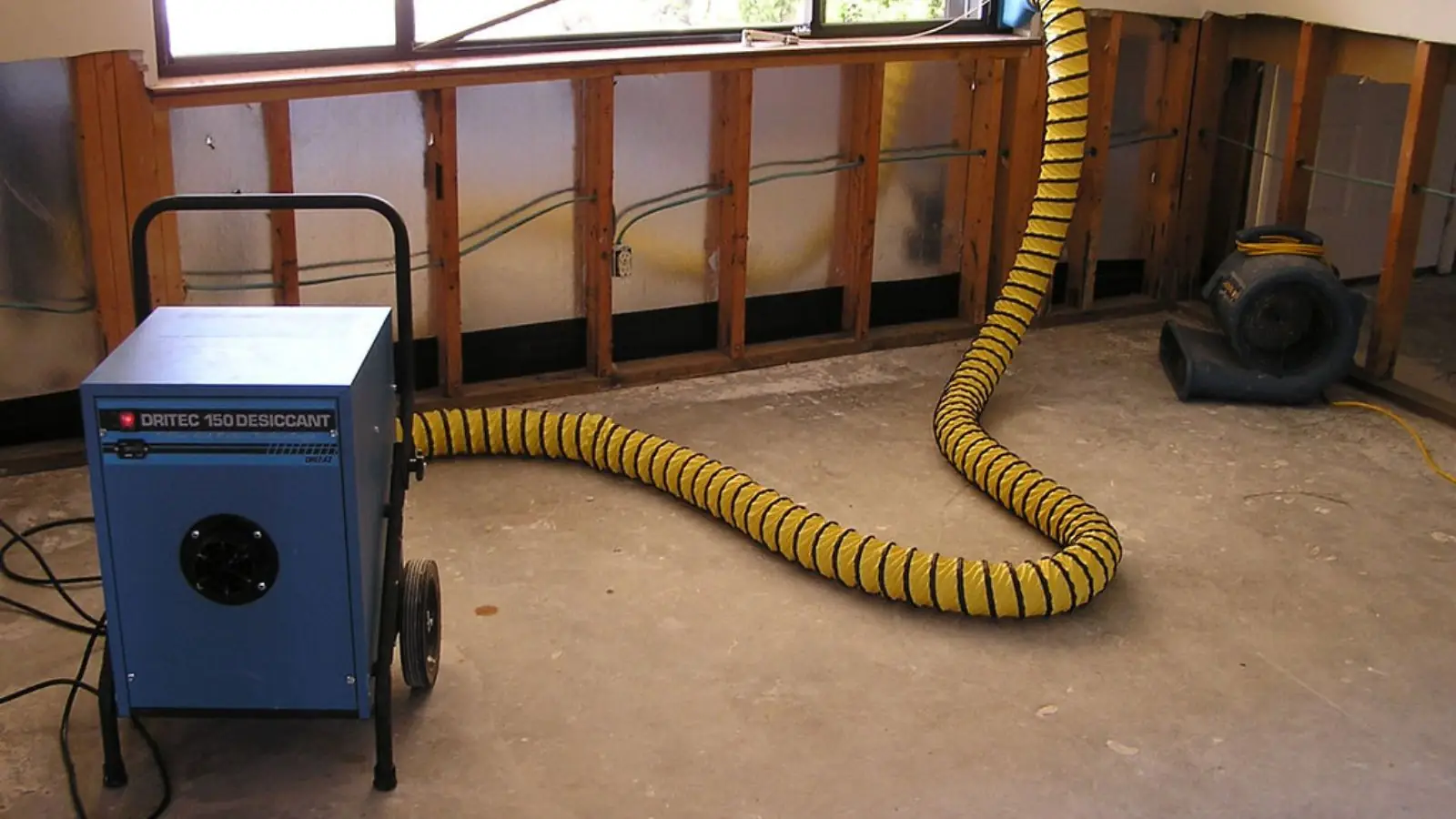
Water mitigation is the work that happens in the first hours after a leak, flood or overflow, before anyone talks about rebuilding. It means stopping the source, extracting standing water, and setting drying equipment so wet materials return to normal moisture levels. In Littleton, CO, this is the window where a repair that stays small separates from one that grows into mold and rotted framing.
If water is moving through your home right now, call our 24/7 line at once. While you wait for a crew, shut off the main water valve, keep people and pets out of the wet area, and lift small valuables off the floor. Our dispatch team can talk you through the next few minutes.
When standing water is an emergency
Treat water as an emergency when it is still coming from a pipe, when it has reached carpet, drywall or insulation, or when it touches outlets and appliances. Porous materials such as drywall and carpet pad wick moisture upward and sideways, so a puddle at the baseboard can become a wet wall within hours.
Never step into water that could be energized. Turn off power to wet areas only if you can reach the panel while standing on dry ground. If you are unsure, call the utility or 911 first and call us second.
Electrical and sewage safety
If water is near outlets, an electrical panel or appliances, stay out of the room. Call 911 or your utility for any electrical or gas concern before you call the restoration line. If the water came from a sewer line, treat it as contaminated and keep everyone out of it.
How mitigation works from the first call
Call dispatch
Tell us what is wet, where the water came from, and whether it is still running.
Stop and extract
The source is shut off and standing water is removed with pumps and extraction units.
Map the moisture
Moisture meters and thermal imaging show wet areas that look dry from the surface.
Dry and monitor
Air movers and dehumidifiers run while readings are checked until materials reach drying goals.
The written scope of work comes before the equipment is set, so you know what will be dried, what may need to come out, and how the plan is priced. Our crews explain that scope and the price before work starts, and they document readings so your insurer can see what was wet and when.
Structural drying: what the equipment actually does
Structural drying is the part of mitigation that removes moisture trapped inside wall cavities, subfloors and framing. Air movers push dry air across wet surfaces, and dehumidifiers pull the moisture out of the air so it does not settle back into the materials. Low grain refrigerant dehumidifiers work well in warm rooms, while desiccant units are chosen for cooler spaces such as many basements.
Drying is measured, not guessed. A technician records moisture content in drywall, wood and concrete at the start, then checks again each visit. Equipment stays until the readings match dry reference points for that material, which commonly takes several days instead of hours. This monitored approach follows the practices in ANSI/IICRC S500, the published standard for professional water damage restoration, and you can ask any company whether its crews work to it.
Opening a wall is sometimes the faster path. A small flood cut, usually about two feet up from the floor, lets air reach wet insulation that cannot be dried in place. The call to cut or dry in place is made from readings, and it is explained to you before it happens.
| Material | Dry in place? | Why |
|---|---|---|
| Solid wood framing | Usually yes | Dense wood releases moisture steadily when air and dehumidification are applied. |
| Drywall wet for a short time | Often yes | Clean water caught early can dry without replacement if readings drop on schedule. |
| Fiberglass insulation | Often removed | It holds water against the cavity and dries slowly, so wet batts are commonly pulled. |
| Carpet pad | Usually removed | Foam pad is inexpensive to replace and traps moisture under the carpet. |
| Contaminated materials | No | Sewage or flood water soaks porous materials with bacteria that drying does not fix. |
Why Littleton homes need quick mitigation
Denver Water supplies Littleton residents, and its cold weather guidance says the main shut-off in most single-family homes sits in the basement or crawl space on a wall facing the street. Knowing where yours is before a leak starts saves minutes when they matter, so find it now and make sure everyone in the house can turn it.
Winter adds another path for water. The National Weather Service reports that western and southwestern Denver suburbs average about 65 to 70 inches of snow per season, and melt from a heavy roof load can find its way behind ceilings. A ceiling stain after a thaw is a mitigation call, not a paint job.
What affects the cost of mitigation
Every job is priced from its own scope, and we explain the scope and price before work starts. These factors move the number most:
- Water category: clean supply water, gray water from appliances, or contaminated black water.
- Affected square footage and how many rooms and floors the water reached.
- Materials involved, such as hardwood, carpet, plaster or concrete slab.
- Equipment count and the number of drying days needed to reach target readings.
- How much has to be removed and rebuilt once drying is complete.
Sudden and accidental water damage is often covered by homeowners insurance, while gradual leaks and neglect often are not, and flood damage usually needs separate flood coverage. Check your policy or ask your insurer, and keep the moisture readings and photos from the first visit. Want your real number? Call (303) 952-8295.
Water on the floor or in the walls? Call the 24/7 line and describe what you see.
Call (303) 952-8295Where mitigation ends and repair begins
Mitigation stops at dry. Once readings are at target and any contaminated material is out, the rebuild of drywall, flooring and paint is a separate phase covered under water damage repair. If the water was sewage or came from outside the building, the cleanup stage is described on our water damage cleanup page.
Crews from our Littleton dispatch also reach Englewood along the US 85 corridor, and the same mitigation steps apply there.
Common questions
Yes. Dispatch answers 24 hours a day, every day, and a night or weekend call is handled the same way as a weekday one. Stop the source and keep people out of the wet area while you wait, and we will tell you when a crew can be there.
Many residential jobs take several days, and some take longer when materials are thick or the water category is serious. Technicians check moisture readings each visit and the equipment stays until the materials reach dry reference levels.
Only when readings show water trapped where air cannot reach, such as in insulation. We explain the reason and the location before any cut, and the opening is kept as small as the job allows.
Shut off the main water valve if the source is a supply line, move small valuables and electronics off wet floors, and keep people and pets out of the water. Photograph the damage for your insurer before anything is moved.
No. Mitigation stops the damage and dries the structure, and repair rebuilds what had to be removed. Splitting the two keeps the scope of each clear.