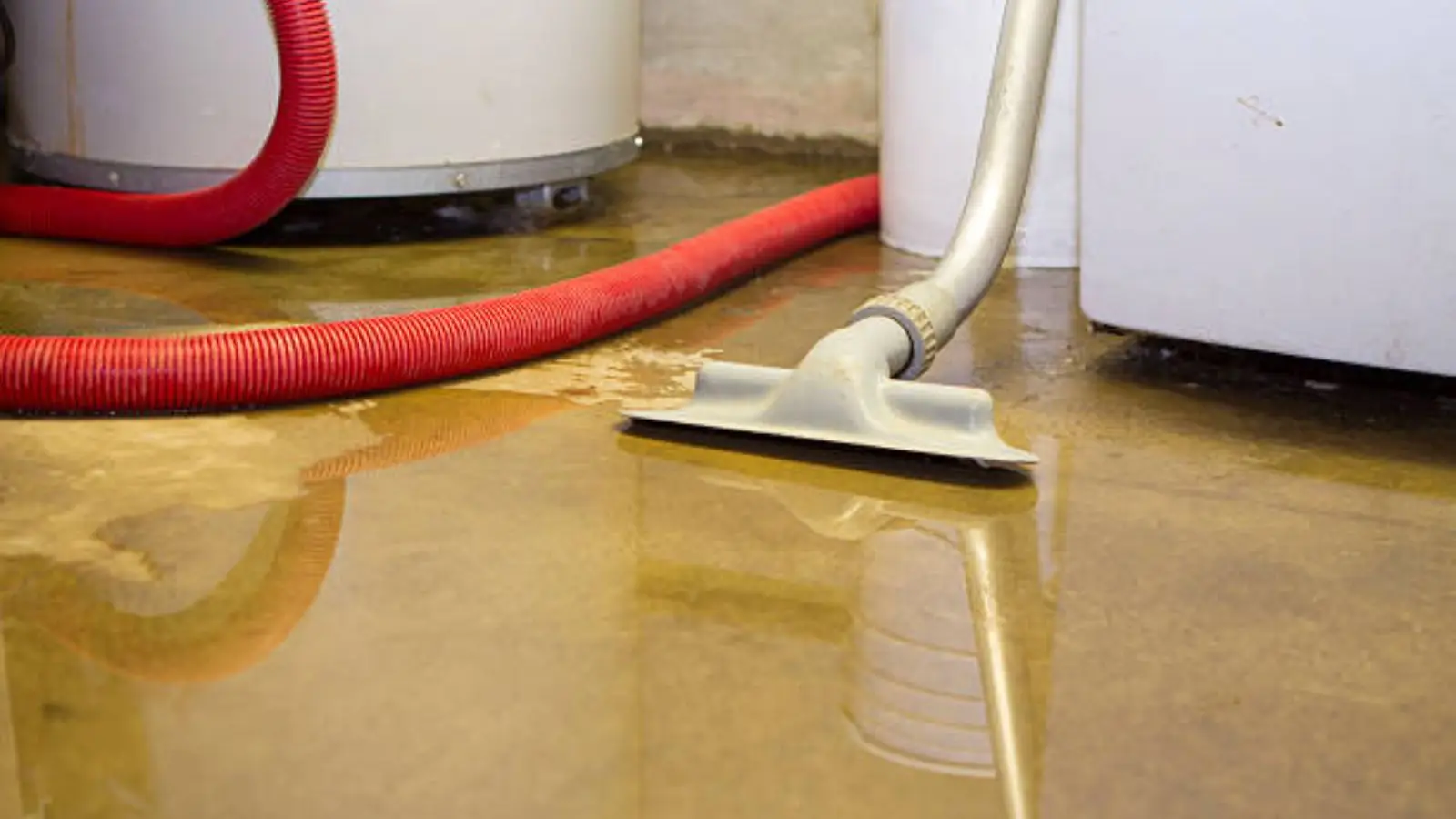
Water damage cleanup is the stage after the water is stopped, when ruined materials leave, surfaces are cleaned and sanitized, and odor is dealt with. The job in Littleton, CO often begins the same day as extraction, and the first 48 hours matter most. Wet carpet pad, insulation and porous drywall hold moisture and bacteria that grow quickly if they are left in place.
If you have just found damage, call the 24/7 line. Keep out of areas with sewage or unknown water, wear gloves if you must handle wet items, and do not run a household vacuum on wet floors.
The first 48 hours after water damage
Moisture, warmth and organic material give microbes what they need, and the clock starts when materials get wet. In the first day or two, the choices are whether to dry an item or to discard it, whether a surface can be cleaned in place, and whether the water carried contamination.
A quick cleanup visit decides those questions from evidence, not guesses. Moisture readings show what is still wet, and the water category sets the cleaning method for everything the water touched.
| Item | Clean water, caught early | Gray or black water |
|---|---|---|
| Hardwood and tile | Cleaned and dried in place | Cleaned and sanitized, hardwood often fails |
| Carpet | Often extracted and dried | Generally removed |
| Carpet pad | Usually replaced | Removed |
| Drywall and insulation | Dried in place when readings allow | Cut out and discarded |
| Upholstery and mattresses | Case by case | Discarded |
Sewage backup: what to do first
Sewage is Category 3 water and carries bacteria that cleaning wipes cannot handle. Stay out of it, keep children and pets away, and do not touch it with bare hands. If anyone in the home has a health concern after exposure, talk to a physician.
The City of Littleton handles sewer emergencies and maintenance, with a weekday line at 303-795-3959 and an after-hours line at 303-794-1551. Some addresses sit in sanitation districts that the city bills for sewer, so ask which one serves yours. Call the city for the blockage and call us for the contaminated cleanup.
Do not clean sewage yourself
A bucket and bleach will not make sewage-soaked drywall, pad or carpet safe. Porous materials soaked in contaminated water are removed, then hard surfaces are cleaned and sanitized. This follows the ANSI/IICRC S500 practices that the trade publishes for water damage work, and you can ask any company whether its crews work to that standard.
How cleanup is carried out
Photograph and sort
Damage is documented, then items are sorted into keep, clean and discard.
Remove the debris
Soaked carpet, pad, insulation and drywall are bagged and carried out.
Clean and sanitize
Hard surfaces and framing are cleaned, and antimicrobial treatment is used where the water category calls for it.
Deodorize and verify
Odor sources are removed or treated and moisture readings confirm the area is ready for rebuild.
Cleanup overlaps with drying. If the structure is still wet, the equipment from water mitigation keeps running during cleanup so the crew is not cleaning a space that will soak itself again.
Odor is a symptom of something still wet
A musty smell a few days after water damage usually means moisture is still trapped in a material. Masking it with sprays only hides the sign. The fix is to find the wet material with a meter or thermal camera, remove or dry it, and then treat the air.
If the smell returns weeks later, check for a slow leak or for water that was missed behind baseboards and under cabinets. Left alone, those spots may call for mold remediation.
Documenting for your insurer
The Colorado Division of Insurance advises homeowners to contact their insurer as soon as possible and to take reasonable steps to prevent further damage, while getting the insurer's instructions before repairs. It also notes that an insurer must supply a copy of your policy within three business days of a request. Ask for that copy before you decide what to throw away.
Sudden and accidental damage is often covered, gradual leaks and neglect often are not, and flood damage usually needs a separate flood policy. Check your policy and ask your insurer about deadlines. We photograph conditions and list removed materials so your claim has a record.
Wet debris, odor or sewage in your home? Call the line and we will explain the cleanup scope.
Call (303) 952-8295What affects the cost of cleanup
- The water category, since contaminated water needs more removal and sanitizing.
- The amount of porous material, such as carpet, pad and drywall, that cannot be saved.
- Square footage and number of rooms involved.
- Odor treatment and how long materials sat wet.
- Whether drying equipment is also needed on the same visit.
Scope and price are explained before work starts. For a basement or main-floor cleanup that reaches southwest Denver or the rest of our service area, the same sorting and sanitizing rules apply.
Common questions
Yes. Dispatch is open around the clock. A night or weekend call is answered the same as a daytime call, and we will tell you what to protect while a crew is on the way.
Sometimes. Carpet soaked with clean water and extracted quickly can often be dried in place, while the pad is usually replaced. Carpet touched by sewage or flood water is generally removed.
Mold can begin to grow within 24 to 48 hours in wet, organic materials when conditions are right. That is why quick drying and removal of soaked porous materials matters.
We focus on the structure and on removing damaged materials. We can tell you which contents are worth cleaning, and which are better discarded, based on the water category.
It depends on the cause and on your policy. Sudden and accidental damage is often covered, and flood is usually excluded without separate flood coverage. Ask your insurer, and keep the photos and removed-material list we help you create.