What a wet wall is hiding
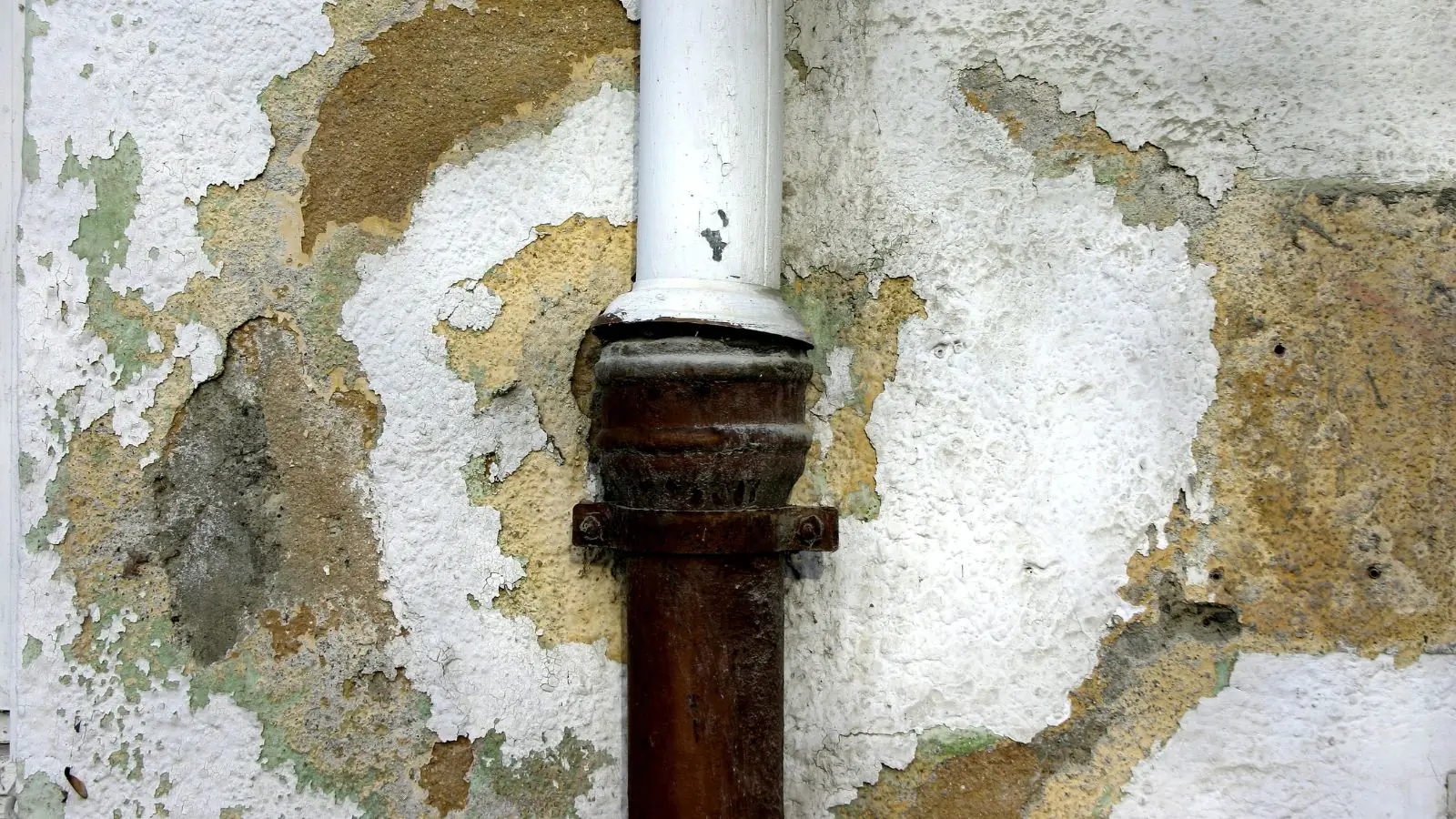
A water damage wall in Littleton, CO often looks fine from the room. The paint bubbles, a baseboard lifts, or a stain creeps up, and behind it sits insulation holding water against the back of the drywall. The wall may be wetter than it looks.
The question is not whether the wall is wet. It is whether it can be dried quickly and cleanly in place, or whether wet materials have to come out.
Signs the wall has taken on water
- Paint bubbling, blistering or peeling.
- Drywall that feels soft, swollen or cool to the touch.
- Baseboards lifting, gapping or swelling at the bottom.
- Stains that grow or musty smells that return.
- Wallpaper or tape seams pulling loose.
A moisture meter gives numbers where these signs only give hints. Readings on both sides of the wall and at several heights show how far up the water has wicked.
What to do first: stop the source, then read the wall
Fix or shut off the source first, whether that is a supply line, a drain or the roof. Then take readings and mark the wet edge with a pencil so you can see if it advances.
Wicking can climb a wall well above the visible stain. For that reason, the dry line is where you decide how high to cut, if you cut at all.
| Situation | Usual outcome | Why |
|---|---|---|
| Clean water, caught within a day, firm drywall | Often dried in place | Board keeps its strength |
| Dirty or sewage water | Remove affected board and insulation | Contaminated porous material cannot be cleaned reliably |
| Wet batt insulation | Often removed | It holds water against the wall |
| Soft, crumbling or swollen board | Cut out | Strength is lost |
| Bubbling paint on dry, firm board | Scrape, prime, repaint | Surface problem only |
| Baseboard swollen or lifting | Remove to dry, replace if warped | Moisture hides behind it |
Wet insulation and flood cuts
A flood cut is a straight horizontal cut made above the wet line, often 12 to 24 inches above the floor, so the wet lower section can come out. Under the board, fiberglass batts that soaked through generally get removed, and framing gets dried.
Cutting higher than the wet line is part of the plan, since it leaves a clean edge to patch against. Our water mitigation crews decide the height from readings, not guesswork.
Dirty water changes the answer
If the water came from a sewage backup or another contaminated source, porous wall materials usually have to be removed no matter how dry they feel later. Do not try to dry them in place.
When drying in place works
Clean water that touches a wall briefly may be dried without opening it. Small holes or removed baseboards let air movers push dry air into the cavity, and dehumidifiers lower the humidity. Readings are taken daily until they match a dry reference wall.
This works best when the board is still firm and the insulation can dry. If readings stall, the wall gets opened.
Wall feels soft or looks wet behind the paint? Call (303) 952-8295 and a crew will dispatch to read the moisture.
Call (303) 952-8295Baseboards, paint and the finish work
Baseboards often come off first so the wall bottom can be dried and inspected. Solid wood can be reinstalled, while swollen MDF should be replaced.
Bubbling paint is a symptom, not the cause. Scrape it back, let the drywall read dry, prime with a stain-blocking primer and repaint. Painting over a wet wall will bubble again in weeks.
Why a wet wall can turn into a mold wall
Mold needs moisture to grow, and in damp conditions it can start in roughly 24 to 48 hours. A wet cavity closed up with fresh drywall is the classic setup. Remediation and testing for mold follow the S520 standard, and health questions belong with a physician.
We do not do waterproofing or foundation repair. If water keeps entering a wall from the ground or a failing exterior, that needs another trade.
Document the wall before it comes apart
Photograph the stain, the bubbling and the readings before any cut is made. Keep a sample of removed material if your insurer may want to see it. Sudden and accidental water damage is often covered, while gradual leaks often are not, so check your policy and ask your insurer about deadlines.
Do not tear open a large area before the adjuster or the crew has seen it, unless water is still spreading. Take the photos first and the hammer second.
After it is dry: the rebuild
New drywall goes in, gets taped and sanded, and is primed and painted. Insulation is replaced, and trim is reset. Our water damage repair team handles this phase and can match texture and paint.
If the wall holds electrical or plumbing, repairs to those systems may need a permit.
Littleton, CO: permits and sewer backups
The City of Littleton Permit Center, at Littleton Center, 2255 W. Berry Ave, 303-795-3751, requires a permit to install, alter, repair or replace any electrical, gas, mechanical or plumbing system. Homeowners doing single-discipline work can use a Homeowner Affidavit, though the page does not mention water damage specifically. If your wall repair means replacing an outlet run or a pipe in the cavity, call the center first.
For sewage in a wall, the City of Littleton handles sewer emergencies at 303-795-3959 on weekdays from 8 to 4 and 303-794-1551 after hours. A main line backup is a utility call first, and some addresses belong to other sanitation districts, so confirm yours.
Sources: Littleton Permit Center page, City of Littleton Utilities page.
We also dispatch to Englewood and Aurora for wall and cavity moisture calls.
Common questions
No. Clean water caught early on firm board often can. Dirty water, soft or crumbling board and long exposure usually mean cutting it out.
Above the wet line shown by moisture readings, since water wicks higher than the stain. Crews choose the height from readings and leave a clean edge for patching.
Moisture is pushing the paint off the board from behind. Find the source, dry the wall and then scrape, prime and repaint.
If they are wet or the wall behind is, yes. Removing them lets the cavity breathe and lets the crew see the bottom of the wall.
Call the City of Littleton sewer line at 303-795-3959 on weekdays from 8 to 4 or 303-794-1551 after hours, since main line backups are a utility call first. Then call us for the cleanup and removal of affected materials.