Why the first hour matters for your claim
Good water damage insurance claim tips start with one idea: what you do in the first day shapes both the repair and the paperwork. Water keeps spreading into drywall, subfloor and insulation while you decide what to do. Mold can begin growing in roughly 24 to 48 hours on a wet, organic surface, so waiting also makes the loss bigger.
Most policies expect you to act like an owner who wants to limit the damage, not one who waits for permission to do anything. The steps below keep you on the right side of that expectation.
Stop the water, then photograph everything
Shut off the water at the main valve if a supply line or pipe is the source. If water is near outlets or a panel, stay out and shut off power at the breaker only if you can reach it dry. Safety comes before any photo.
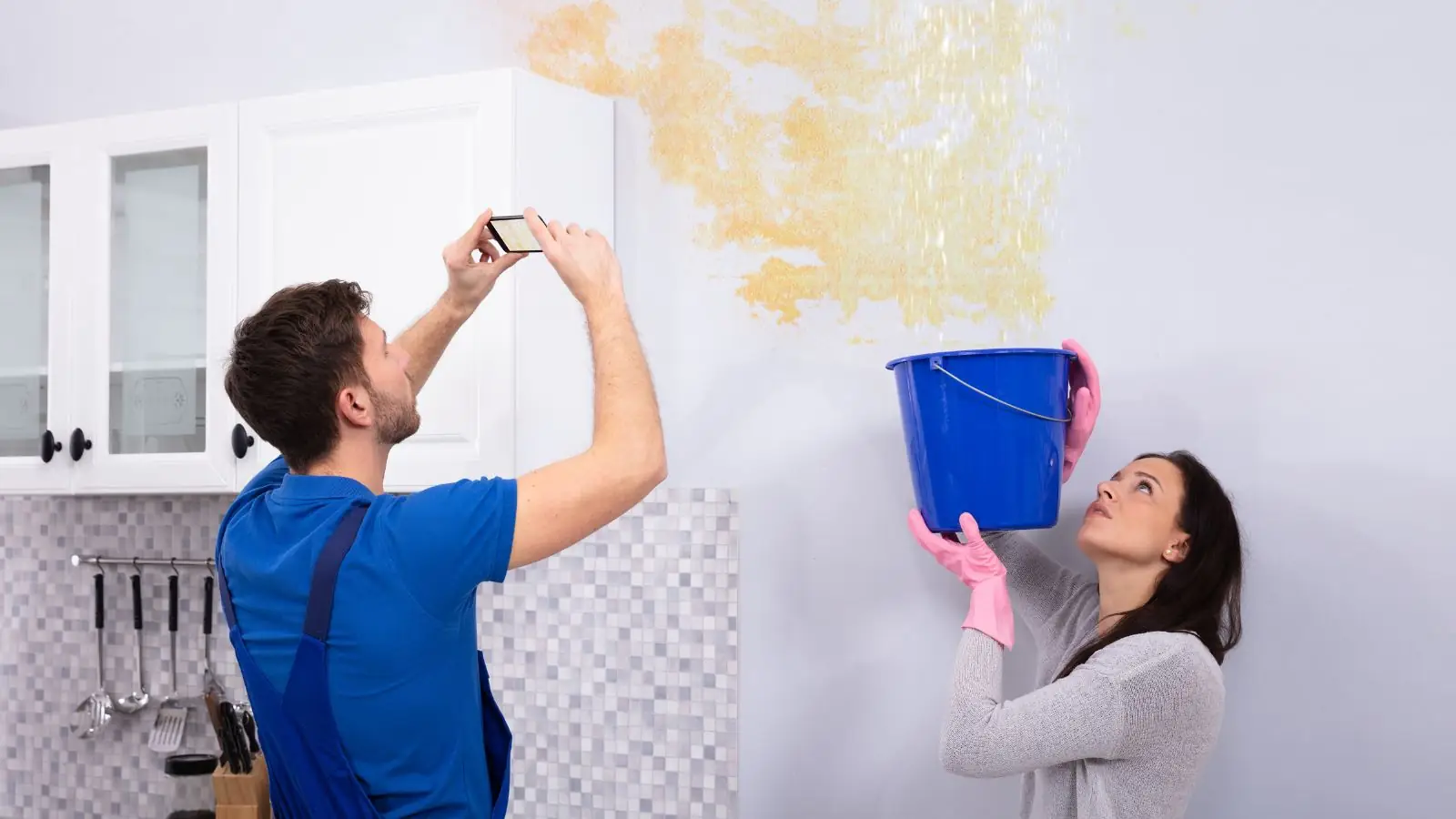
Once it is safe, take wide shots of every affected room, then close-ups of the source, the wet materials and any damaged belongings. Video with a slow walkthrough and your own spoken narration works well. Do this before anything is moved or thrown out.
- The failed pipe, fitting, appliance hose or roof leak spot, from two distances
- Water lines or stains on walls, cabinets and baseboards, with a tape measure in frame
- Each damaged item, plus labels or serial numbers on electronics and appliances
- Standing water depth, and any moisture meter readings taken by a crew
- Date and time stamps, which most phones add automatically
Call your insurer early and ask the right questions
Colorado Division of Insurance guidance is to contact your insurer as soon as possible and start the claim promptly. Burst pipes and the water damage that follows are generally covered under homeowners and renters policies. Policies differ, so read yours or ask the company to send a copy, which an insurer must provide within 3 business days of a request.
The advisories do not give a single filing deadline, so ask your insurer about deadlines for your specific policy. Write down the claim number, the date, and the name of whoever you spoke with.
Questions worth asking on that first call
- What is my deductible for this type of loss?
- Do I need your instructions before emergency work begins, and who do I send invoices to?
- Does my policy include additional living expenses if I cannot stay home?
- Will an adjuster visit, and should I keep wet materials until then?
Water still in the house? Call (303) 952-8295 and we will talk through the situation, explain scope and price before any work starts, and dispatch around the clock.
Call (303) 952-8295Mitigate now, repair later
Policies generally require the insured to take reasonable steps to prevent further damage, but to get the insurer's instructions before permanent repairs. Mitigation means stopping the source, removing standing water, and starting structural drying. Rebuilding means replacing drywall, flooring and finishes, and that waits for the claim direction.
That is why professional water mitigation and water damage cleanup usually come first. Crews log moisture readings and equipment days, and that record supports the scope your adjuster reviews. We also dispatch to Englewood and southwest Denver when calls stack up after a freeze.
| Situation | Typically treated as | What to do first |
|---|---|---|
| Supply line bursts in a wall | Sudden and accidental, often covered | Shut off water, photograph, call insurer, start drying |
| Dishwasher or water heater fails | Often covered, depends on cause and age | Stop the source, keep the failed part if you can |
| Slow drip under a sink for months | Gradual damage, often excluded | Fix the leak, document, ask your insurer anyway |
| Creek or storm water enters the basement | Flood, usually excluded without flood coverage | Check for a separate flood policy, call insurer |
| Sewer backup | Often needs an added endorsement | Call the utility, then your insurer |
Keep damaged items until told otherwise
Do not haul wet carpet or cabinets to the curb before the adjuster agrees. Cut a small sample, photograph the rest, and ask what the insurer wants kept.
Additional living expenses and your belongings
If a room or the whole house is unlivable during drying and repairs, ask whether additional living expenses apply. Keep receipts for hotel nights, extra meals and laundry. Those costs are easier to reimburse when each one is documented the day it happens.
For belongings, make a list as you go with item, approximate age, and where it was in the house. Photograph the item before it leaves the room. Do not guess values in a rush, and do not rely on memory three weeks later.
Flood versus sudden leak: know which one you have
Insurers separate water that comes from inside the house, such as a failed pipe, from water that arrives from outside on the ground, such as overland flooding. Most homeowners policies do not cover flood. If you are unsure which category your loss falls into, describe the facts plainly and let the insurer make the call, while you keep documenting.
We handle both kinds of drying work, including flood damage restoration, but we cannot decide coverage for you. Your policy language and your insurer decide that.
Littleton, CO: flood coverage has a waiting period
FEMA's National Flood Insurance Program typically has a 30 day waiting period between buying a flood policy and the date it takes effect, and most homeowners policies do not cover flood damage. A Littleton homeowner who thinks about flood coverage only after rain is in the forecast is usually too late. The practical tie-back: read your declarations page this week, and if flood is not listed, ask your agent about a separate policy and when it would start.
Sources: FEMA's NFIP site (FloodSmart.gov), Colorado Division of Insurance consumer advisories.
Where we fit and where we do not
We dry, clean and document. We explain the scope and price before work starts, and we dispatch 24/7. We do not decide your coverage, we do not rent equipment, and we do not do waterproofing or foundation repair.
Ask any restoration company whether its crews follow ANSI/IICRC S500, the published standard for water damage restoration. That one question tells you a lot about how drying is measured and recorded.
Common questions
Stop the source if you safely can, such as closing a valve. Then call your insurer before permanent repairs and ask for instructions. Temporary steps to protect the home are expected, but rebuilding usually waits.
Many policies expect you to prevent further damage right away, so emergency drying often cannot wait for a long review. Ask your insurer when you call what they require. We explain our scope and price first so you can share it with them.
Renters policies generally cover your belongings and may help with living costs, while the landlord's policy covers the building. Tell your landlord immediately and photograph your own items. Check your lease for notice requirements.
Structural drying usually takes several days, depending on materials and how far water spread. Crews check readings daily and stop when materials reach a normal dry standard, not by the calendar.
Probably not. The NFIP typically applies a 30 day wait before a new flood policy takes effect. Ask your agent about the exact start date, and treat flood coverage as something to buy well before storm season.