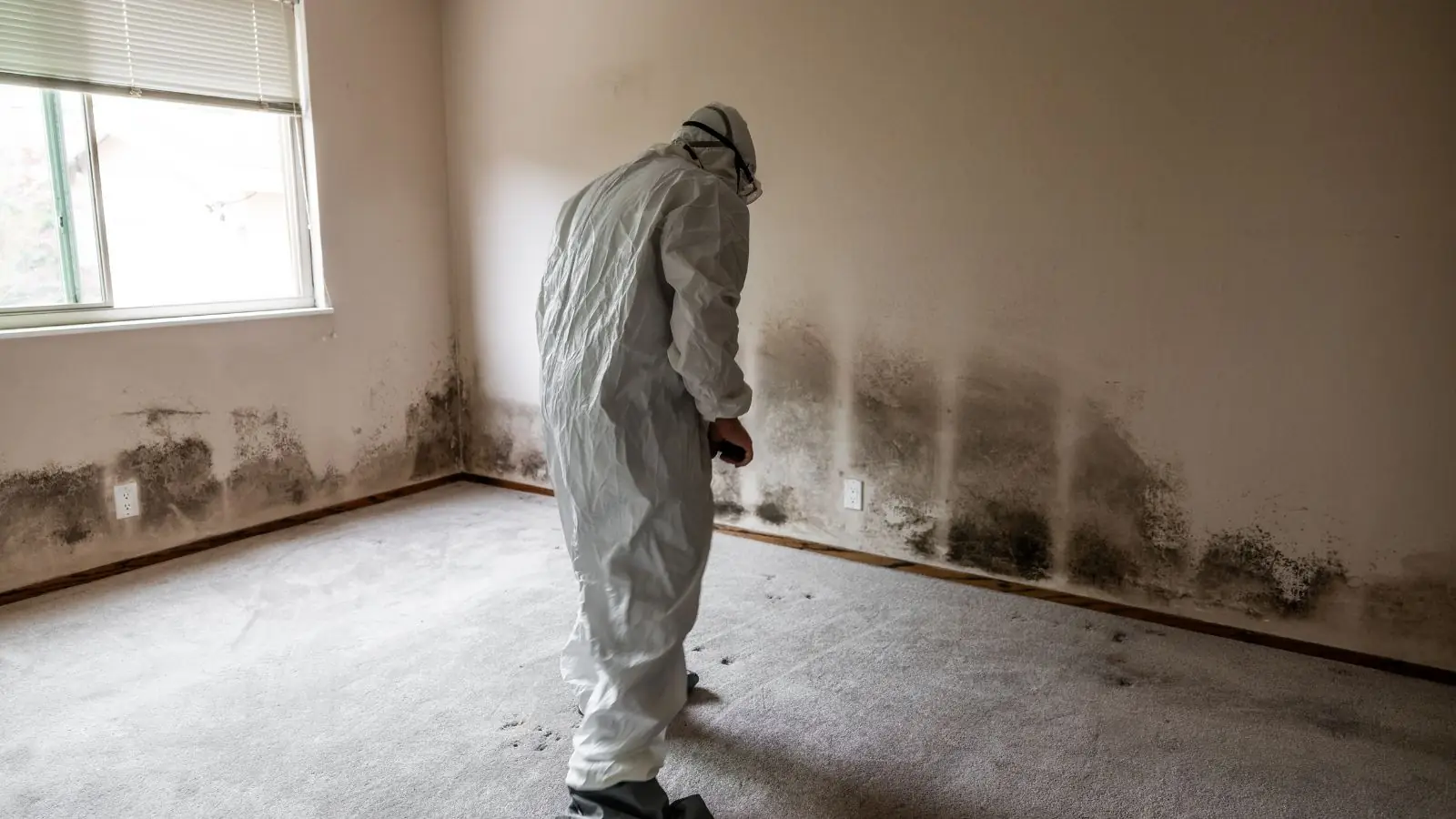
What mold mitigation in a basement really means
Mold mitigation in a basement is the work of limiting moisture and growth so the space stays usable. It is wider than cleaning. The job includes controlling the water, drying the structure, isolating and removing affected material, and checking the result.
Mitigation and remediation overlap. Mitigation leans toward stopping conditions that cause growth, and remediation leans toward removing what has grown. Most basements need both.
Moisture control comes before everything
Mold cannot grow without moisture, so every plan begins by finding it. Check plumbing, the water heater, dryer vent, window wells and any sign of seepage at the wall base. A moisture meter on drywall and framing shows damp spots you cannot see.
Keep relative humidity under about 60 percent, and aim lower. Many Colorado homes run dry in winter, but summer storms and snowmelt can push a basement above that fast.
Dehumidification that actually works
- Size the dehumidifier to the square footage and the dampness of the space
- Drain it by hose to a floor drain rather than relying on a bucket
- Keep doors to utility areas open so air moves
- Watch humidity with a hygrometer and log readings weekly
- Replace filters and clean coils on the schedule the maker lists
Containment and removal
Before removal, a crew isolates the area with plastic barriers and sets air scrubbers with negative pressure, so spores are pulled toward filtration and not into the upstairs. Work follows ANSI/IICRC S520, the published standard for mold remediation. Affected drywall and insulation come out, framing is cleaned, and the space is dried.
See our mold remediation page for how that process runs. If the basement was wet from a pipe or appliance failure, water mitigation drying happens first.
| Step | Purpose | Who usually does it |
|---|---|---|
| Find the moisture source | Stop new growth | Plumber, homeowner, or us for water events |
| Containment and air filtration | Keep spores from spreading | Remediation crew |
| Remove porous materials | Take out what cannot be cleaned | Remediation crew |
| Dry and dehumidify | Bring humidity to a safe range | Restoration crew |
| Clearance testing | Verify the result | Third-party tester, ideally |
| Drainage, grading, wall sealing | Keep water out long term | Waterproofing or foundation specialist |
Planning basement mold work before a sale or refinance? Call (303) 952-8295 and we will explain scope and price before any work starts.
Call (303) 952-8295Clearance testing for a sale or loan
If you are selling or refinancing, a buyer or lender may ask for proof that the basement was addressed. Post-remediation testing by an independent tester, who has no stake in the cleanup, usually carries more weight than a statement from the company that did the work.
Ask the company how it handles clearance, and ask whether your state licenses mold work. Keep the report, the photos and the moisture logs together. Those records answer most questions later, whether the question comes from a buyer, an appraiser or an underwriter.
Mitigation is not waterproofing
We dry, clean, contain and remove. We do not do waterproofing or foundation repair, and mold work does not stop water from entering through walls, slabs or window wells. If the cause is outside the house, bring in a waterproofing or drainage specialist and fix it before finishing the basement again.
What waterproofing is, and what we do not do
Waterproofing means exterior drainage, grading, sump systems, wall coatings and crack sealing. Those fix how water reaches the basement. Dehumidifiers and mold removal only manage what is already inside.
If mold keeps returning, the usual reason is that the water source never got fixed. Good contractors will tell you where their work ends.
Littleton, CO: clay soil and snow in the same basement
The Colorado Geological Survey says expansive clay soils lie along mountain valley sides and on the plains where most Coloradans live, expansion begins when the soil gets wet, and poor drainage is a common problem. NWS Boulder puts Denver's normal seasonal snowfall at 49.0 inches, with western and southwestern suburbs near 65 to 70 inches, though these are metro figures and not Littleton readings.
Tie-back: snow piled against the foundation melts into the soil beside the wall, so shovel it back and point downspouts away from the house before spring.
Sources: Colorado Geological Survey, NWS Boulder seasonal snowfall pages.
Common mistakes that bring growth back
- Removing drywall but leaving the wet framing behind it undried
- Running a small dehumidifier in a space far too large for it
- Storing cardboard boxes against exterior basement walls
- Closing off a damp room and never checking humidity again
- Finishing with new drywall and carpet before readings are normal
Cardboard and paper are food for mold, so plastic bins on shelves are a better choice than boxes on the floor. Keep a few inches between stored items and the walls so air can move.
Rebuilding too early is the costliest mistake, because new materials get covered over damp framing. Wait until moisture readings are normal and any clearance report is in hand.
Moisture logs: the records worth keeping
Write down humidity and moisture meter readings with the date, the room and the spot measured. A simple notebook or phone note is enough. Over a few weeks the pattern shows whether the basement is drying, holding steady or getting worse after rain.
Those logs also help a second professional pick up where the first left off. If the numbers climb after every storm, you have learned something important about the water source before anyone rebuilds.
Planning the work in order
- Find and stop the moisture source.
- Document the damage with photos and humidity readings.
- Contain and remove growth and affected materials.
- Dry the space and set up dehumidification.
- Arrange clearance testing and keep the report.
- Rebuild only after the space tests dry and clean.
We take calls from Aurora and Englewood as well as Littleton and dispatch 24/7. Ask any company about its process, its insurance and its standards before you sign.
Common questions
They overlap. Mitigation focuses on stopping moisture and limiting spread, and remediation focuses on removing growth and affected materials. A basement job normally includes both.
Not always, but it helps if you are selling or refinancing. Independent testing gives a neutral result, and it should follow S520 practices.
Until humidity stays under about 60 percent without it, and often continuously in damp seasons. Watch with a hygrometer, since the number matters more than the calendar.
No. Mold work and drying manage moisture inside. Water entering through walls or slab needs a waterproofing or drainage specialist.
Yes. Melting snow feeds the soil beside the foundation, and clay soils expand as they get wet. Clear snow back from the wall, direct downspouts and grading away, and keep humidity logged through spring.